
Run Public Open Houses Like a Campaign: Timeline for Organizers
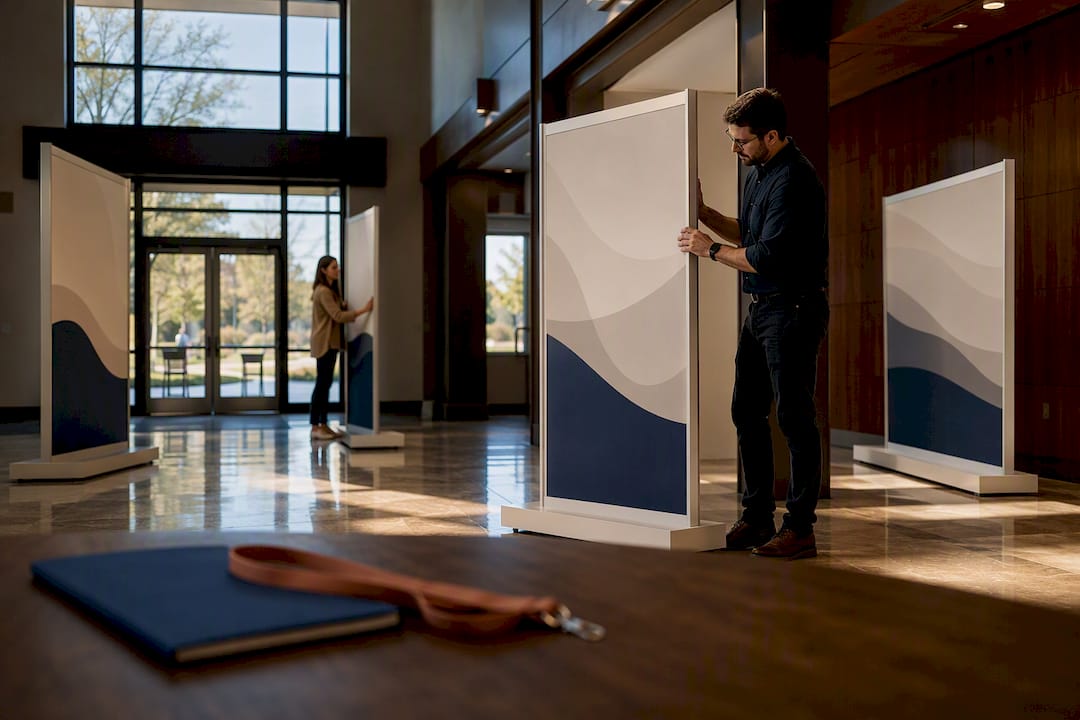
A public open house is a drop-in, station-based event where staff present a project through exhibits and answer questions one-on-one, without a formal presentation or public microphone. Use it when a project is early-stage or complex enough that people need self-paced, staged explanations rather than a single scripted pitch. It informs the public and gathers broad feedback more efficiently than a lecture-style hearing.
TL;DR:
An open house is ideal for early-stage or complex projects that benefit from informal, self-paced engagement over a formal public hearing.
Planning an open house typically takes one to three months and costs vary from under $1,000 for small sessions to higher amounts with added complexity or translation needs.
Venue choice is crucial for accessibility, requiring proximity, clear signage, seating options, and materials in relevant community languages.
Outreach should start at least two weeks before the event using multiple channels, including direct mail, community partners, and social media, with early language access planning.
Staffing must include a coordinator, greeters, station leads, and note-takers, with pre-event briefings ensuring consistent messaging and attendee management.
Table of Contents
What Is a Public Open House, and When Should You Use One?
The format matters more than most organizers admit at the outset. An open house works when the goal is informal, one-on-one engagement across multiple exhibit stations, with no microphone and no formal record unless you build one in. An open forum or public hearing, by contrast, puts comments on the record in front of a group, which suits regulatory milestones but tends to suppress candid questions from people who dislike speaking publicly.
Choosing the right format up front saves weeks of rework later. Consider:
Match format to project stage. Early-stage or highly technical projects benefit from open houses, since people can absorb information at their own pace; late-stage or legally mandated milestones often require a formal hearing.
Define your audience and success metrics before designing anything else. Decide whether you’re measuring attendance, comment volume, or representative reach across demographics.
Decide whether to add an on-record forum window. A hybrid format lets you preserve informal drop-in engagement while carving out a scheduled segment for transcripted, on-record comments, according to transportation outreach planning guidance.
Write these decisions into your project involvement plan (PIP) before booking a venue. That single document should name your objectives, target audiences, and evaluation metrics, and it becomes your reference point when a skeptical stakeholder asks why you chose this format.
How Long Does It Take to Plan an Open House, and What Does It Cost?
Open houses typically require one to three months to organize, depending on venue availability, translation needs, and how many stations you’re building. Here’s a working sequence:
Weeks 10 to 12 out: Confirm scope, format, and PIP; assign an event coordinator.
Weeks 8 to 10 out: Secure venue, confirm accessibility, and book AV equipment.
Weeks 6 to 8 out: Draft graphics, fact sheets, and translated materials.
Weeks 4 to 6 out: Finalize notification list and outreach channels.
Weeks 2 to 4 out: Send notices, brief staff, and rehearse station scripts.
Week of event: Print materials, confirm signage, run a room walk-through.
Week after: Compile comments, publish a summary, and notify participants of next steps.
Costs for a basic open house can run under $1,000 for a single small-scale session. Complexity, translation, multiple sessions, and custom graphics push that figure up quickly, so budget accordingly.
How Do You Choose a Venue and Design an Accessible Layout?
Venue selection determines whether people show up and whether they can actually engage once they arrive. Pick a location close to the affected area, served by public transit where possible, with step-free entry and accessible restrooms.
Inside the room, station order shapes how people process information:
Place a welcome/sign-in station first, followed by project overview, then technical detail stations, ending with a comment station near the exit.
Provide seating and a rest area for people who need breaks, particularly older attendees or families with children.
Use clear directional signage and consistent lighting so no station feels like an afterthought.
Offer materials in the languages spoken by the surrounding community, not just English.
Manhattan’s neighborhood meeting guidance recommends greeters and clearly labeled stations as the baseline for welcoming attendees and keeping traffic moving.
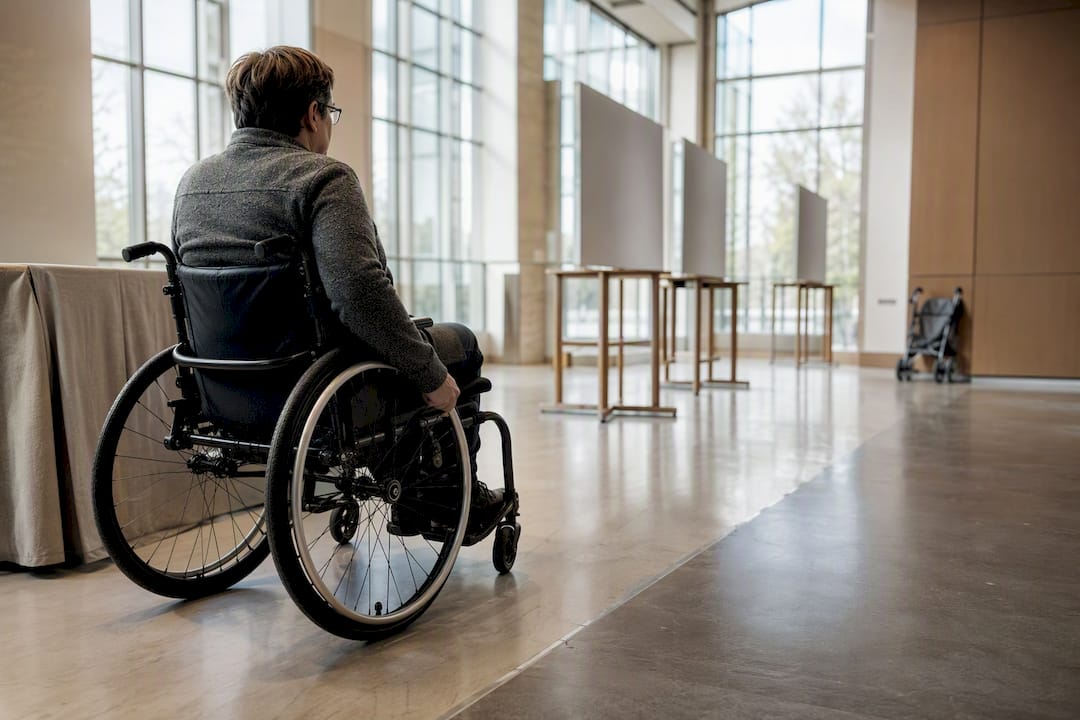
Pro Tip: Walk the room yourself the day before, standing where a wheelchair user or a parent with a stroller would stand at each station. Layout problems that look fine on a floor plan often surface only when you physically test the path.
When Should You Send Notice, and Which Channels Reach the Whole Community?
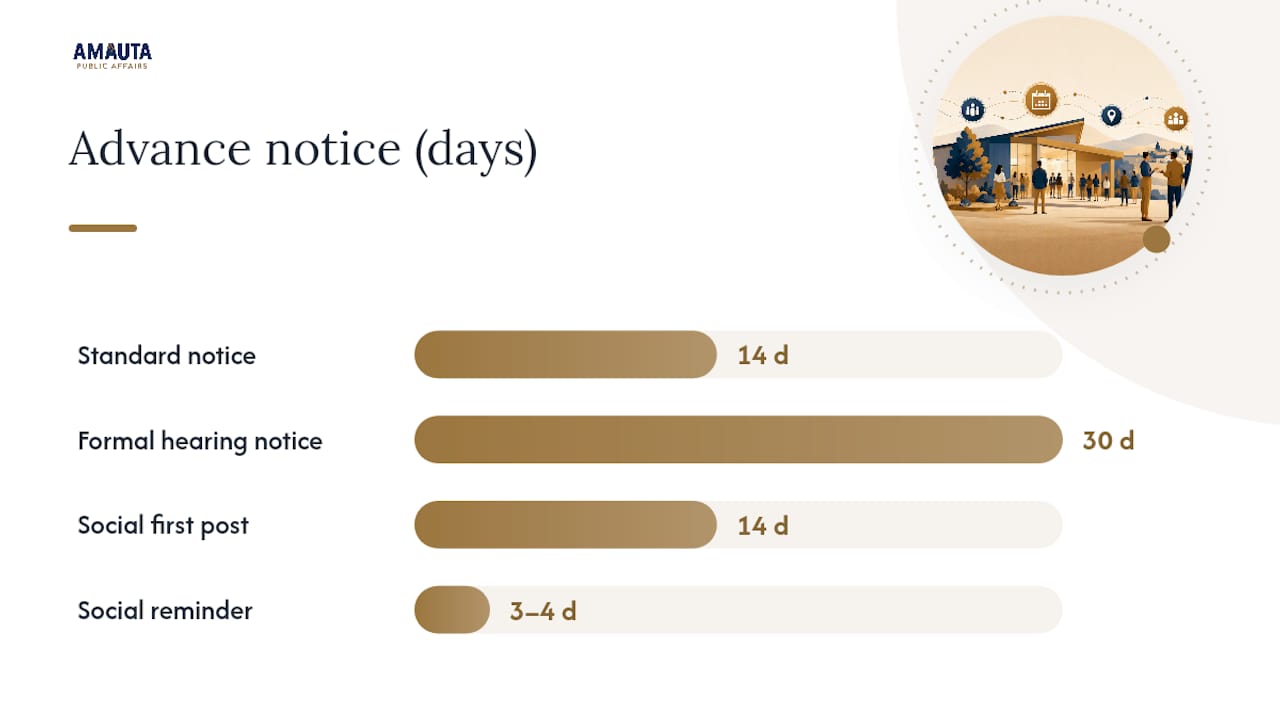
Notification timing and channel mix decide who actually shows up, and skipping either step invites accusations of a token process later. Practitioner guides recommend a minimum of 14 days’ notice for a standard open house, extending to 30 days when the event doubles as a formal hearing.
Layer your outreach rather than relying on one channel:
Direct mail to addresses within the project’s defined impact radius.
Email lists built from prior engagement, permitting contacts, and neighborhood associations.
Targeted outreach to community partners, faith organizations, and business groups who can relay the notice to people your mailing list won’t reach.
Social media posts and local media alerts timed roughly two weeks and again three to four days before the event.
Language access belongs in this outreach plan, not as an afterthought at the venue. If a meaningful share of the affected community speaks a language other than English at home, translate your notice and identify interpreters early, since interpreter availability tightens the closer you get to the event date.
Who Staffs an Open House, and What Should the Pre-Event Briefing Cover?
Every open house needs a named event coordinator who owns logistics, staff assignments, and any last-minute decisions on the day. Below that role, assign greeters, station leads, and at least one dedicated note taker per busy station.
The pre-event briefing is where consistency gets built or lost:
Walk every staff member through the same FAQ document so a resident hears the same answer at station one and station four.
Distribute name tags and a one-page script covering the project’s purpose, timeline, and how comments get used.
Assign one person as the escalation point for a frustrated or hostile attendee, so station leads aren’t improvising in the moment.
Confirm who signs people in and who’s responsible for the sign-in sheet at the end of the night.
What Materials and Interactive Stations Make an Open House Work?
Good exhibits do the explaining so your staff can spend their time listening instead of narrating. San Diego’s engagement guidance points to large-format plans and simple fact sheets as the backbone of any station, paired with interactive elements that turn passive viewing into real input.
Large-format site plans or renderings at each technical station, with a one-page handout summarizing the same content in plain language.
A mapping station where attendees can mark specific locations of concern with stickers or pins.
A short digital survey on a tablet, offering an alternative to written comment cards for people who prefer typing.
Materials written for low literacy, with visuals doing more work than dense paragraphs, and translated versions available at the same table.
How Should You Capture Comments and Report What You Heard?
Comment capture needs to match your record-keeping and privacy obligations, not just convenience. Texas DOT’s engagement guidance recommends offering multiple input channels and publishing a summary that documents how comments shaped the decision.
Paper comment cards remain the simplest option and work well for attendees uncomfortable with digital forms.
Digital forms speed up compilation but require a backup plan if Wi-Fi fails.
Audio recording or formal transcripts matter most for the on-record forum segment, not the drop-in stations.
Anonymize comments before publishing your summary, and set a firm publish date, ideally within two to three weeks of the event.
How Do You Run a Virtual or Hybrid Open House?
Virtual open houses need the same station logic translated into a digital experience, plus explicit attention to who gets left out. Short videos and downloadable one-pagers outperform long PDFs, since attendees rarely finish scrolling past page two. Texas DOT’s guidance stresses testing for access equity, including phone-in options and library computer access for residents without reliable internet.
Build embedded surveys directly into the digital exhibit rather than linking out.
Provide closed captioning and a downloadable transcript for every video segment.
Assign a moderator to monitor questions in real time and route them to the right subject expert.
Rehearse the tech stack at least once before going live, including a fallback if the platform drops.
AMAUTA’s Take: Treat Every Open House Like a Campaign
Most organizers plan an open house once and move on. A campaign-style approach treats each event as one data point in a longer outreach arc, tracking attendance mix against the surrounding demographic profile, comment volume by station, and whether feedback actually shifted a design choice. One tweak that consistently pays off: if early sign-in data shows a homeowner-heavy crowd and few renters, shift the next round of outreach toward multifamily buildings before the next session, not after it.
— Ignacio
How Amauta Public Affairs Supports Your Next Open House
Planning an open house is straightforward on paper and hard in practice, especially when staff, materials, and outreach all need to land on the same week. Specialized consulting handles the parts that most often go sideways: stakeholder mapping, media relations, and disciplined messaging that keeps every station giving the same answer.
Where a traditional agency hands you a generic outreach template, Amautapublicaffairs builds the community engagement strategy around your specific project stage and refines messaging using real-time feedback from the event itself, not a postmortem months later. That includes drafting your notification plan, staffing your stations, and building the 90-day stakeholder engagement plan that turns one event into sustained public support. If you’re weighing procurement timing alongside your engagement calendar, this comparison of delivery models is also worth a look.
Visit Amautapublicaffairs’s services page to request a scoping call and get a tailored outreach timeline for your project.
Sources
Recommended
Comments